R-NEET mid-term meeting

Aug 18, 2026

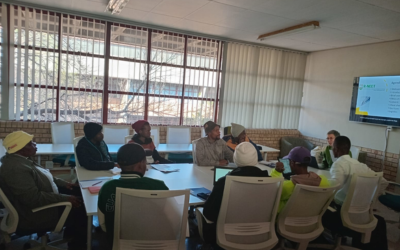
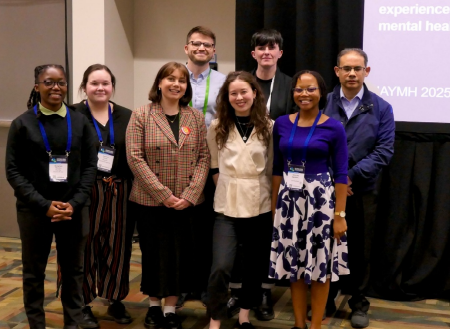
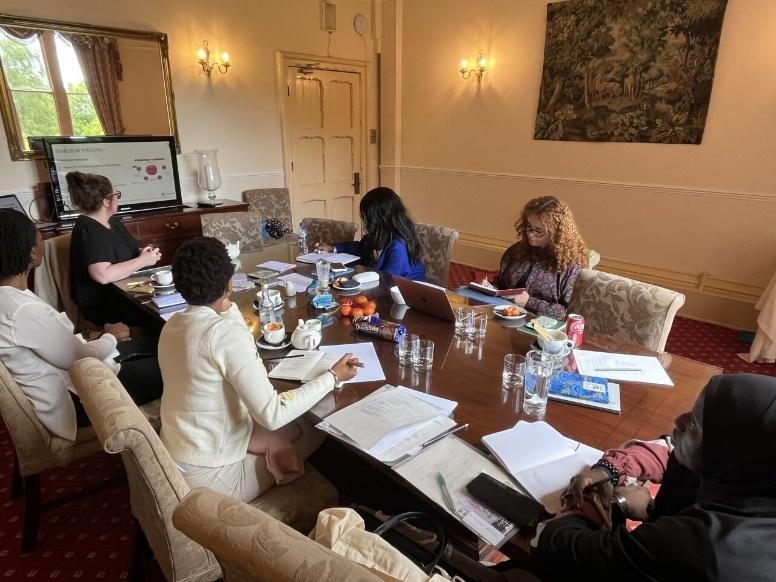
The R-NEET study team held its midterm meeting from 14 to 16 May 2026 in Nottingham (UK). Attended by R-NEET co-investigators, post-doctoral fellows, and staff, our meeting provided an important opportunity to review and celebrate project progress since inception (February 2024), as well as interrogate empirical lessons learnt and how best to leverage related learning to ensure a strong project ending.
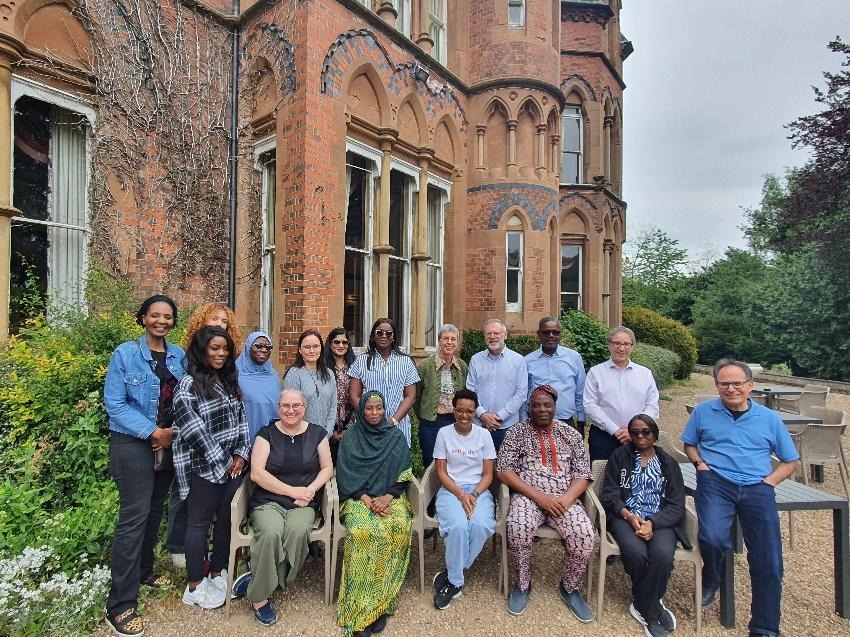
The R-NEET study team held its midterm meeting from 14 to 16 May 2026 in Nottingham (UK). Attended by R-NEET co-investigators, post-doctoral fellows, and staff, our meeting provided an important opportunity to review and celebrate project progress since inception (February 2024), as well as interrogate empirical lessons learnt and how best to leverage related learning to ensure a strong project ending.

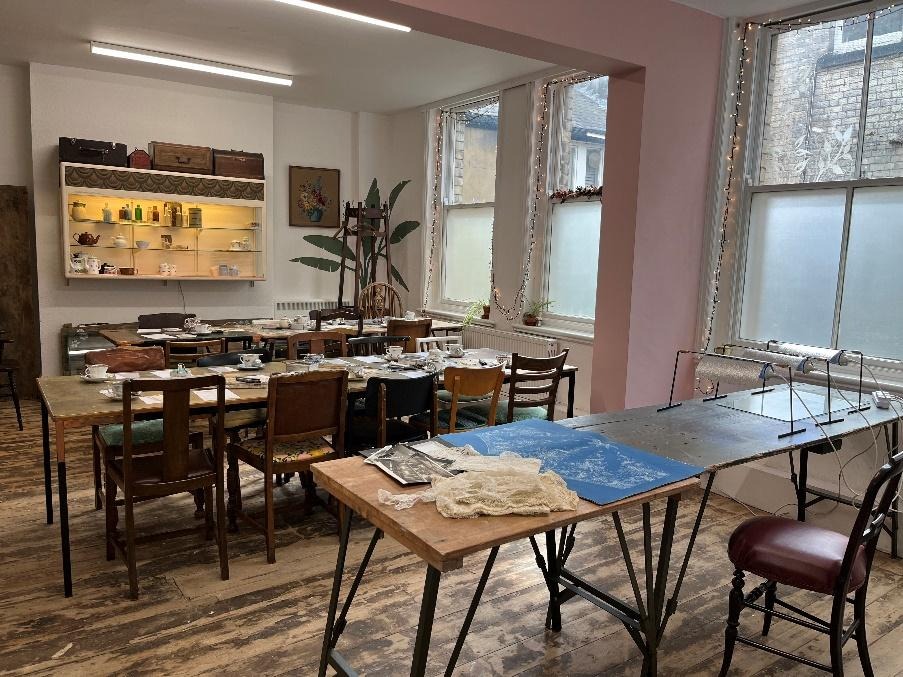
As is to be expected in any multidisciplinary, multinational project using multiple methods, the meeting had some challenging moments. Simultaneously, it advanced more rigorous data management and data analysis plans; a sustained commitment to ethical practice (including opportunities for research team members to be debriefed and supported); a plan for monthly science meetings; and a renewed commitment to progressing the science of multisystemic resilience in ways that will serve humanity best. An additional advantage was that the midterm meeting allowed the R-NEET team an opportunity to engage in a Nottingham tradition, which encouraged both reflexivity and team bonding.
 

Finally, meeting in-person was a cogent reminder of the value of face-to-face interaction, more especially when a study is as complex and demanding as the R-NEET study. While virtual meetings have cost benefits and are kinder to the planet, they do not facilitate creativity, problem-solving, and team cohesion in the way that in-person meetings do. For this reason, the R-NEET team is actively seeking additional funding to support at least two more in-person meetings before the study ends in 2029.

Special report from our R-NEET DRAs.

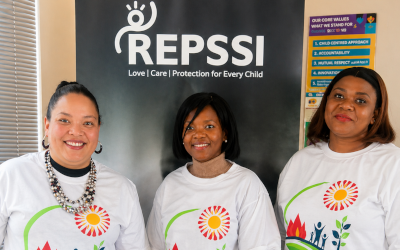
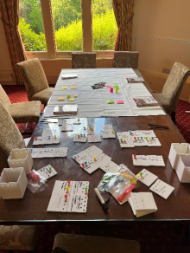
Supporting early career researchers requires more than methodological training and healthy supervision. It also involves creating opportunities for connection, reflection, confidence-building and mutual support. So, while the rest of the team met, our DRAs focused on their PhD projects and building a sense of community.

The programme combined sessions on research positionality, writing identity, doctoral resilience, trauma-informed practice and ethics. Participants were encouraged to reflect on their research journeys, explore practical strategies for managing doctoral study, and consider how their experiences and identities shape their work. Ensure high quality interactive sessions means that participants were able to, as Wulaimat Adekunle said “relate realities” across their PhD journeys.

A recurring theme throughout the Spring School was the importance of community. Doctoral research can be isolating, particularly within large international projects. Morenike Oyenubi reflected, “During the often-isolating PhD process, peer support is vital…Navigating this demanding work requires community” echoed by Wulaimat, “Those honest conversations and interactive workshops replaced isolation with practical mutual support”. We learned that creating space to strengthen relationships and develop networks has a profound impact on early career researchers.
The event also provided an opportunity to step back from the day-to-day pressures of research and focus on personal and professional development. Anita Mwanda described how much of doctoral life can be spent moving between “project responsibilities, PhD work, deadlines, and administrative tasks”, making dedicated time for reflection particularly valuable. She noted that the Spring School allowed her to consider “where I am in my PhD journey, why I chose this research topic, and what I want to focus on moving forward.”

Several sessions focused on writing and researcher identity, led by Dr Claire Davis. Alberta Ofosu highlighted the value of discussions about “finding your own writing voice, creating writing rituals, and identifying spaces that support creativity”, describing the workshop as both inspiring and practical. Anita similarly reflected on how the sessions encouraged her to think differently about writing, reminding her that it is “not only about communicating ideas but also about working through them.”
The Spring School also recognised the emotional dimensions of research, particularly when working with sensitive topics. Sessions on trauma-informed practice led by Dr Juliet Coates explored how researchers can care for both participants and themselves. Alberta described this as providing “important insights into how engaging with sensitive topics can affect researchers” and offering useful strategies for recognising and managing those impacts.

The experience serves as a reminder that developing research capacity involves investing in people as well as projects. By creating spaces for reflection, connection and mutual support, initiatives such as the R-NEET DRA Spring School help early career researchers build the confidence, resilience and networks needed to thrive throughout their careers.


More R-NEET posts

Understanding Environmental Peace in the Niger Delta

Understanding Environmental Peace in the Niger Delta

My PhD proposal has been accepted, and now the work begins! My project will explore how young people in Nigeria’s Niger Delta experience environmental degradation, conflict, and hope for the future. My work focuses specifically on young adults who are not in...

NEET – By Chance or By Choice?

NEET – By Chance or By Choice?

Dr Omowumi O. Okedare and Prof Olufunmilayo I. Fawole, University of Ibadan Image made using CanvaYoung people who are Not in Education, Employment, or Training (NEET) are often viewed through a narrow lens of personal responsibility. However, the reality is more...

The hidden work that makes interdisciplinary research possible: behind the scenes of data harmonisation

Being NEET in Different Economies, and the Impact on Mental Health

Michael Ungar, PhD All over the world, a generation of young adults are in the precarious situation of not being able to launch themselves into independence. In economically more precarious parts of the world there are simply far too many youth for the small number of...

The hidden work that makes interdisciplinary research possible: behind the scenes of data harmonisation

Bongiwe Ncube shares the rationale behind her PhD project

South Africa is often celebrated as one of Africa’s most progressive democracies. Our Constitution is robust, our laws are protective on paper, and many policies aim to advance women’s rights. And yet, for many of us living these realities, the story is more...

The hidden work that makes interdisciplinary research possible: behind the scenes of data harmonisation

Reflecting on the R-NEET baseline and next steps

Author: Linda Theron, PhD., University of Pretoria, South Africa There’s something urgent, hopeful, and deeply necessary about the R-NEET study. In a world where young people are facing increasing socio-economic instability, climate threats, and mental health burdens,...

R-NEET PhD project: Faith, Cultural Legacy, and Echoes of Silence

R-NEET PhD project: Faith, Cultural Legacy, and Echoes of Silence

R-NEET PhD project: Faith, Cultural Legacy, and Echoes of Silence: Multisystemic Resilience Among Young Women in the Face of Gender-Based Violence Across Generations in Gauteng, South Africa Alberta Ofosu, Doctoral Research Assistant, University of LeicesterMy...

Africa(n) proverbs, community and resilience

Africa(n) proverbs, community and resilience

Diane Levine, Zainab Mai-Bornu, Alberta Ofosu, Morenike Oyenubi (University of Leicester)Image generated with Canva AI: A bunch of palm nutsIn his lovely 2023 article on the ways in which we might be able to make the most of proverbial wisdom from indigenous Africa(n)...

My R-NEET blog

My R-NEET blog

Hi, my name is Kudzayi Badisi, and welcome to my R-NEET blog post, where I share my journey in creating an R-NEET video to help us recruit more participants to the project. As an unemployed young person and a Youth Advisory Committee member of R-NEET, I was given the...

The hidden work that makes interdisciplinary research possible: behind the scenes of data harmonisation

What protects young adults against depression?

Prof Dov Stekel, University of Nottingham Depression among young adults (aged 18 to 29) is becoming more common around the world, especially during the challenging years of becoming independent, finding work, and navigating adult responsibilities. Our recent article,...

Making Data FAIR: How R-NEET Ensures Ethical and Open Research

Making Data FAIR: How R-NEET Ensures Ethical and Open Research

Prof Olafunmilayo Fawole, University of Ibadan, Co-Chair Data Safety and Monitoring Board. In the R-NEET project, we recognize the importance of handling, processing, and storing data responsibly. With a large, international, and interdisciplinary research team, we...

IAYMH2025 Conference, Vancouver

IAYMH2025 Conference, Vancouver

The International Association for Youth Mental Health (IAYMH2025) is a conference that brings people from all over the world together with a focus on turning the tide and creating a global blueprint for prevention and integrated care in Youth Mental Health. The...

Exploring Creative Research Methods

Exploring Creative Research Methods

Our team has grown considerably over the past six months, and at the same time we have started to identify some common training needs. Fanfare, then, for the National Centre for Research Methods offering a six-week, online course on creative methods at exactly the...

Optimism plus opportunity is a great foundation for resilience

Optimism plus opportunity is a great foundation for resilience

Michael Ungar, PhD, Resilience Research Centre, Dalhousie University, Halifax, Canada Drawings from Octopus Island, a forthcoming comic by Dr Osarenkhoe Ogbeide, New Africa Comics and University of Cambridge (permission granted) Optimism can be a powerful predictor of...

Reflections on laying the foundations for research in Nigeria

Reflections on laying the foundations for research in Nigeria

Leading the Nigerian team and working closely with the Youth Advisory Committee (YAC) has been a transformative experience. For too long, young people aged 18–24 have been denied a meaningful voice in Nigeria, particularly in the Niger Delta. Through direct engagement...

NEETs need strengths and supports to be mentally well

NEETs need strengths and supports to be mentally well

10 October marks World Mental Health Day. This year the focus was on mental health in the workplace. But, what about the mental health of the many people who are not employed? Likewise, what about the mental health of those who not in employment, education or training...

Share This