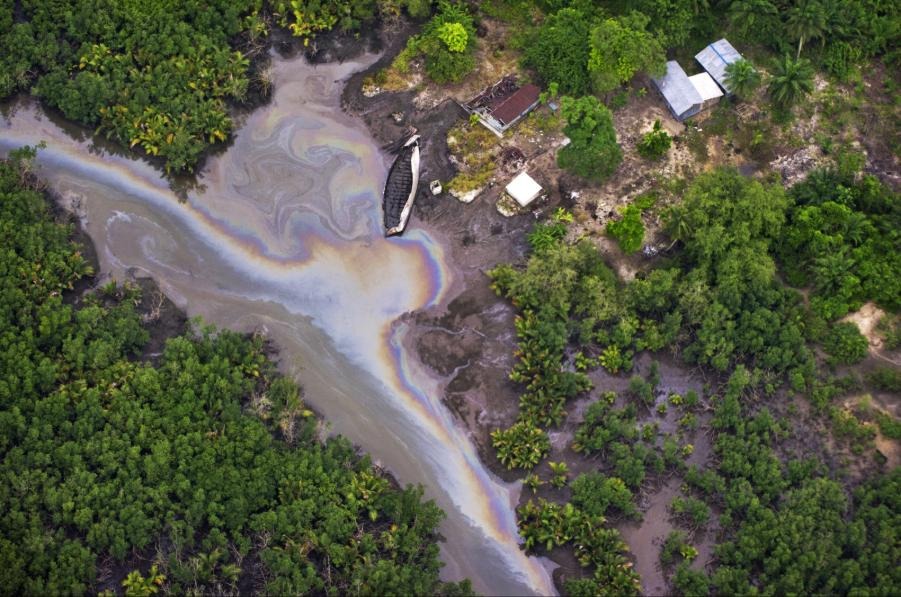
Aerial of part of the Niger Delta. Photograph: Milieudefensie/flickr
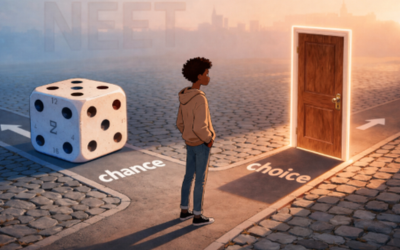
My PhD proposal has been accepted, and now the work begins! My project will explore how young people in Nigeria’s Niger Delta experience environmental degradation, conflict, and hope for the future. My work focuses specifically on young adults who are not in employment, education, or training (NEET) in Rivers State, one of the areas most affected by oil extraction and pollution.
For decades, the Niger Delta has been at the centre of Nigeria’s oil industry. While the region generates enormous wealth through oil, many local communities continue to experience poverty, unemployment, environmental pollution, and violence. Oil spills, gas flaring, and contaminated land and water have damaged traditional livelihoods such as fishing and farming.
Many young people have grown up surrounded by these challenges, often feeling unheard and excluded from decisions affecting their lives.
My research asks: What does peace mean to young people living in these conditions, and how do they survive and thrive in the face of the risks they face?
In Peace and Conflict Studies, peace is often discussed in political or academic terms, usually shaped by Euro-North American ideas and frameworks. However, I believe that peace cannot be understood properly without listening to the people directly affected by conflict and environmental harm. Young people in the Niger Delta have their own experiences, perspectives, and knowledge that need to be recognised.
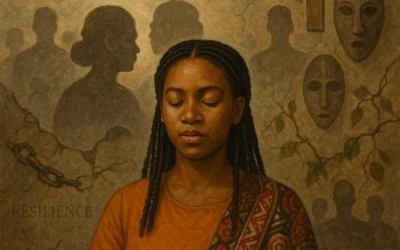
A major concept in my research is solastalgia. This term describes the emotional pain or distress people feel when their environment changes in harmful ways while they are still living there. Unlike homesickness, where someone misses a place they have left, solastalgia is the grief of watching your home become damaged and unfamiliar around you.
I want to explore how this feeling may affect young people in Rivers State, especially those facing unemployment, social exclusion, and environmental decline at the same time. My study also examines how these experiences shape young people’s ideas about peace, justice, and the future.
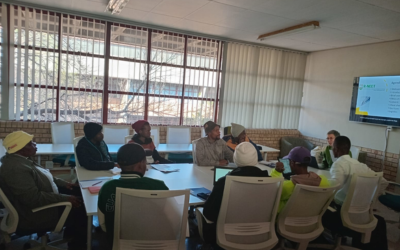
One of the most exciting parts of the project is the way I plan to work with participants. Rather than relying solely on traditional interviews, I will also use creative methods such as zine-making workshops. Zines are small, handmade publications that combine writing, art, collage, and storytelling, popular amongst grassroots movements. They allow participants to express themselves in personal and creative ways.
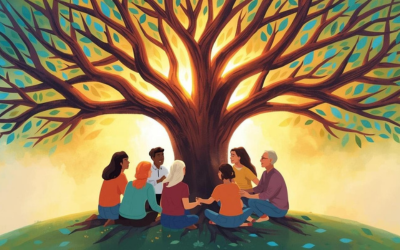
I chose this approach because creative methods can help people communicate emotions and experiences that may be difficult to explain through formal interviews alone. I also want participants to feel like active contributors to the research, not simply subjects being studied. The workshops will create space for young people to share their stories, reflect together on environmental change, and imagine what a peaceful future could look like for their communities.
Ultimately, I hope this research will contribute to more people-centred approaches to peacebuilding and environmental justice in the Niger Delta. Most importantly, I want young people’s voices, experiences, and visions for the future to be heard and taken seriously.