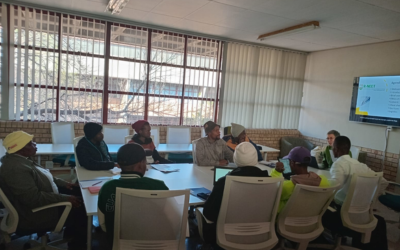
The R-NEET study team held its midterm meeting from 14 to 16 May 2026 in Nottingham (UK). Attended by R-NEET co-investigators, post-doctoral fellows, and staff, our meeting provided an important opportunity to review and celebrate project progress since inception (February 2024), as well as interrogate empirical lessons learnt and how best to leverage related learning to ensure a strong project ending.
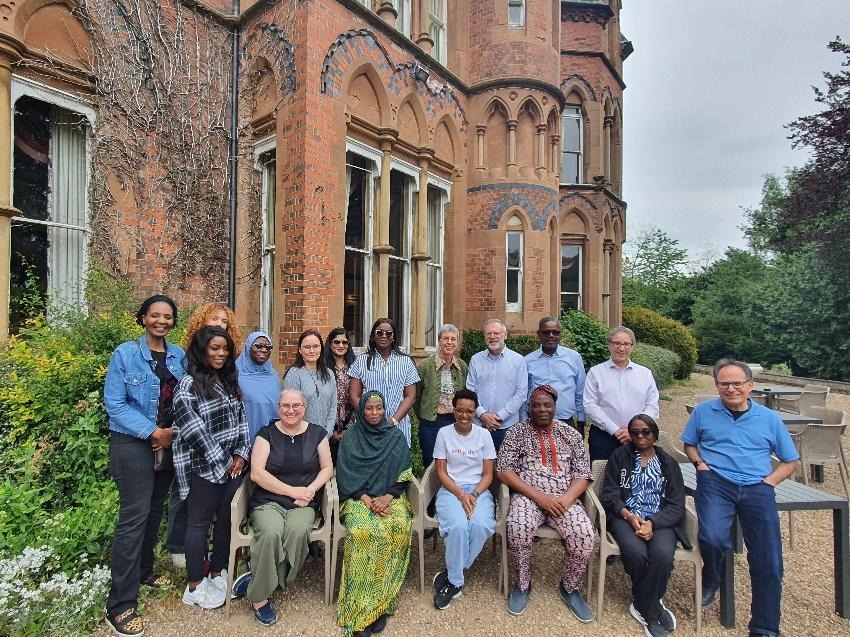
The R-NEET study team held its midterm meeting from 14 to 16 May 2026 in Nottingham (UK). Attended by R-NEET co-investigators, post-doctoral fellows, and staff, our meeting provided an important opportunity to review and celebrate project progress since inception (February 2024), as well as interrogate empirical lessons learnt and how best to leverage related learning to ensure a strong project ending.
As is to be expected in any multidisciplinary, multinational project using multiple methods, the meeting had some challenging moments. Simultaneously, it advanced more rigorous data management and data analysis plans; a sustained commitment to ethical practice (including opportunities for research team members to be debriefed and supported); a plan for monthly science meetings; and a renewed commitment to progressing the science of multisystemic resilience in ways that will serve humanity best. An additional advantage was that the midterm meeting allowed the R-NEET team an opportunity to engage in a Nottingham tradition, which encouraged both reflexivity and team bonding.
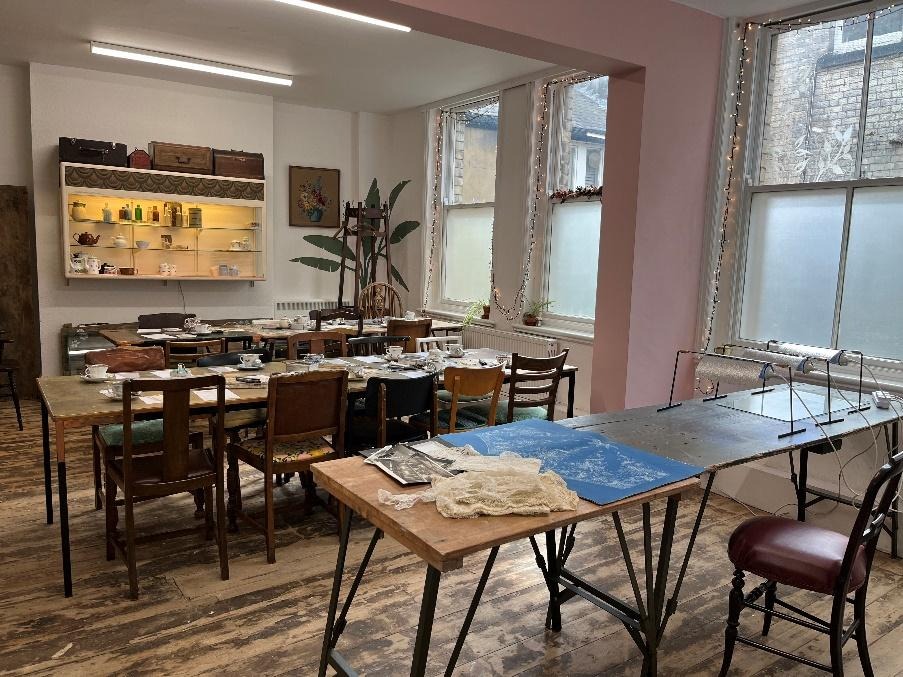
Finally, meeting in-person was a cogent reminder of the value of face-to-face interaction, more especially when a study is as complex and demanding as the R-NEET study. While virtual meetings have cost benefits and are kinder to the planet, they do not facilitate creativity, problem-solving, and team cohesion in the way that in-person meetings do. For this reason, the R-NEET team is actively seeking additional funding to support at least two more in-person meetings before the study ends in 2029.
Special report from our R-NEET DRAs.
Supporting early career researchers requires more than methodological training and healthy supervision. It also involves creating opportunities for connection, reflection, confidence-building and mutual support. So, while the rest of the team met, our DRAs focused on their PhD projects and building a sense of community.
The programme combined sessions on research positionality, writing identity, doctoral resilience, trauma-informed practice and ethics. Participants were encouraged to reflect on their research journeys, explore practical strategies for managing doctoral study, and consider how their experiences and identities shape their work. Ensure high quality interactive sessions means that participants were able to, as Wulaimat Adekunle said “relate realities” across their PhD journeys.
A recurring theme throughout the Spring School was the importance of community. Doctoral research can be isolating, particularly within large international projects. Morenike Oyenubi reflected, “During the often-isolating PhD process, peer support is vital…Navigating this demanding work requires community” echoed by Wulaimat, “Those honest conversations and interactive workshops replaced isolation with practical mutual support”. We learned that creating space to strengthen relationships and develop networks has a profound impact on early career researchers.
The event also provided an opportunity to step back from the day-to-day pressures of research and focus on personal and professional development. Anita Mwanda described how much of doctoral life can be spent moving between “project responsibilities, PhD work, deadlines, and administrative tasks”, making dedicated time for reflection particularly valuable. She noted that the Spring School allowed her to consider “where I am in my PhD journey, why I chose this research topic, and what I want to focus on moving forward.”
Several sessions focused on writing and researcher identity, led by Dr Claire Davis. Alberta Ofosu highlighted the value of discussions about “finding your own writing voice, creating writing rituals, and identifying spaces that support creativity”, describing the workshop as both inspiring and practical. Anita similarly reflected on how the sessions encouraged her to think differently about writing, reminding her that it is “not only about communicating ideas but also about working through them.”
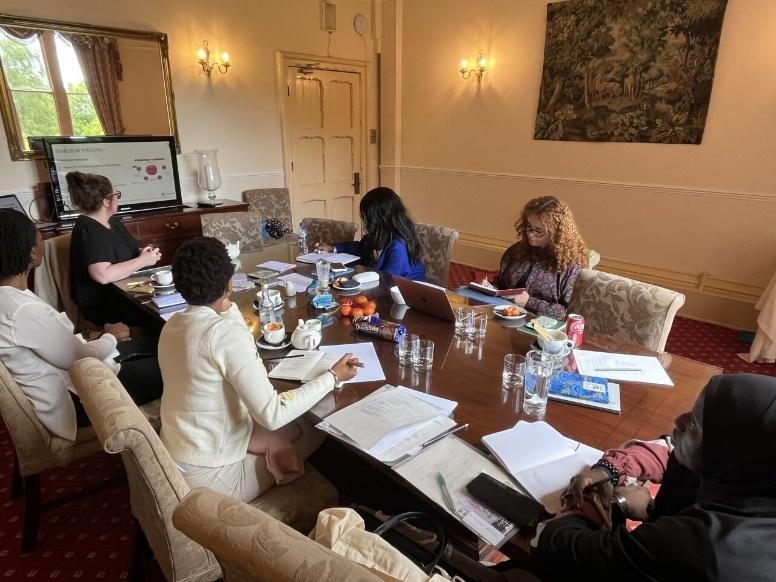
The Spring School also recognised the emotional dimensions of research, particularly when working with sensitive topics. Sessions on trauma-informed practice led by Dr Juliet Coates explored how researchers can care for both participants and themselves. Alberta described this as providing “important insights into how engaging with sensitive topics can affect researchers” and offering useful strategies for recognising and managing those impacts.
The experience serves as a reminder that developing research capacity involves investing in people as well as projects. By creating spaces for reflection, connection and mutual support, initiatives such as the R-NEET DRA Spring School help early career researchers build the confidence, resilience and networks needed to thrive throughout their careers.