Blog
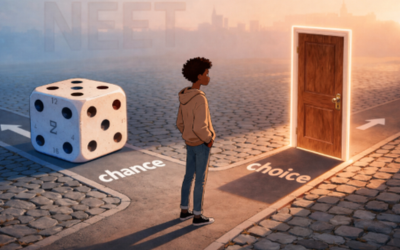
NEET – By Chance or By Choice?
Dr Omowumi O. Okedare and Prof Olufunmilayo I. Fawole, University of Ibadan Image made using CanvaYoung people who are Not in Education, Employment, or Training (NEET) are often viewed through a narrow lens of personal responsibility. However, the reality is more...
From Paper to Video: The Promise and Problems of AI-Generated Research Content
Following the publication of the systematic literature review we carried out last year, we wanted to create something that would make the findings more accessible in a cost-effective way. Tools like NotebookLM™ seemed like a promising option, allowing us to experiment...
Being NEET in Different Economies, and the Impact on Mental Health
Michael Ungar, PhD All over the world, a generation of young adults are in the precarious situation of not being able to launch themselves into independence. In economically more precarious parts of the world there are simply far too many youth for the small number of...
Bongiwe Ncube shares the rationale behind her PhD project
Bongiwe Ncube is one of the R-NEET project’s Associate Doctoral Researchers, and here shares the rationale behind her PhD project. South Africa is often celebrated as one of Africa’s most progressive democracies. Our Constitution is robust, our laws are protective on...
Reflecting on the R-NEET baseline and next steps
There’s something urgent, hopeful, and deeply necessary about the R-NEET study. In a world where young people are facing increasing socio-economic instability, climate threats, and mental health burdens, our investigation of the resources that help youth who are not in education, employment and training (NEET) to resist depression and maintain hope is critical. With the help of two wonderful doctoral research assistants (Albee Ofosu and Morenike Oyenub), we’ve created an infographic to show what we’ve done so far.
Science in Conversation: How Journal Club is Building on our Understanding of Resilience from the RNEET Study
The R-NEET study is a multidisciplinary collaboration, and the people involved range from seasoned scientists to up-and-coming researchers. We have psychologists, public health researchers, social and political scientists, criminologists, mathematical, statistical and environmental scientists all working together to uncover the resilience pathways that could protect vulnerable youth from mental health challenges.
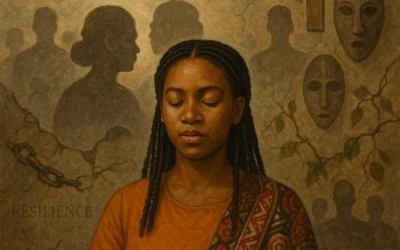
R-NEET PhD project: Faith, Cultural Legacy, and Echoes of Silence
My research proposal has been accepted! This is great news and marks the beginning of the next phase of my research career.
In this blog post, I share the project: a PhD study that explores something both urgent and deeply personal: what enables resilience to depression among young women in South Africa who have lived through gender-based violence (GBV).

Africa(n) proverbs, community and resilience
In his lovely 2023 article on the ways in which we might be able to make the most of proverbial wisdom from indigenous Africa(n) contexts, Richard Appiah proposes that taking proper account of these forms of wisdom can help us to create more culturally-affirming and sustainable psychological interventions. Appiah suggests that there are six distinctive characteristics of proverbial wisdom in Africa(n) contexts.
My R-NEET blog
Hi, my name is Kudzayi Badisi, and welcome to my R-NEET blog post, where I share my journey in creating an R-NEET video to help us recruit more participants to the project. As an unemployed young person and a Youth Advisory Committee member of R-NEET, I was given the chance to try something new and exciting.
What protects young adults against depression?
Depression among young adults (aged 18 to 29) is becoming more common around the world, especially during the challenging years of becoming independent, finding work, and navigating adult responsibilities. Our recent article, published in Lancet Psychiatry, looked at all the research we could find on what factors across different parts of life, such as health, family, money, community, or environment, might protect against depression. We systematically reviewed 139 studies, covering over 17,000 young people.
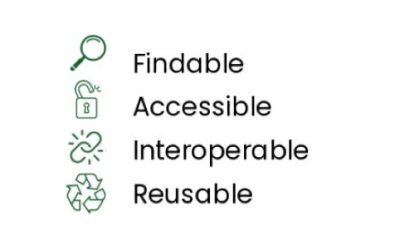
Making Data FAIR: How R-NEET Ensures Ethical and Open Research
In the R-NEET project, we recognize the importance of handling, processing, and storing data responsibly. With a large, international, and interdisciplinary research team, we have developed a robust data protocol to ensure our data is accessible, secure, and beneficial for future research. At the core of our approach are the FAIR principles—Findability, Accessibility, Interoperability, and Reusability—which guide how we structure, document, and share our data.
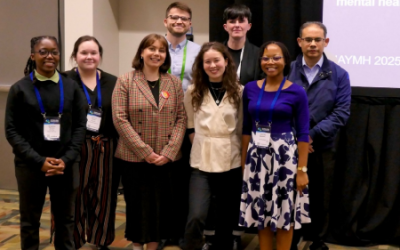
IAYMH2025 Conference, Vancouver
The International Association for Youth Mental Health (IAYMH2025) is a conference that brings people from all over the world together with a focus on turning the tide and creating a global blueprint for prevention and integrated care in Youth Mental Health. The symposium, which was funded by the Wellcome Trust and I was a part of, was titled Partners Not Participants.
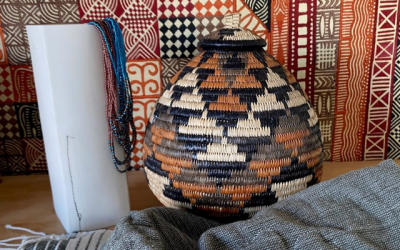
Exploring Creative Research Methods
Our team has grown considerably over the past six months, and at the same time we have started to identify some common training needs. Fanfare, then, for the National Centre for Research Methods offering a six-week, online course on creative methods at exactly the right time! We only wish there had been more spaces for all of our team members!
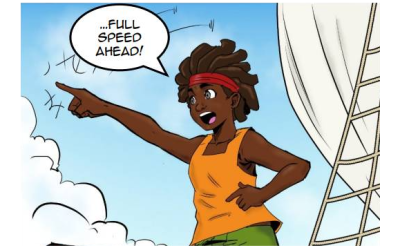
Optimism plus opportunity is a great foundation for resilience
Optimism can be a powerful predictor of wellbeing when we’re stressed. Whether that stress comes from unemployment or a family crisis (or both), maintaining a positive attitude towards the future and our ability to shape that future can protect us against loneliness and depression. Add into the mix a family network that supports us, and our ability to experience resilience increases.
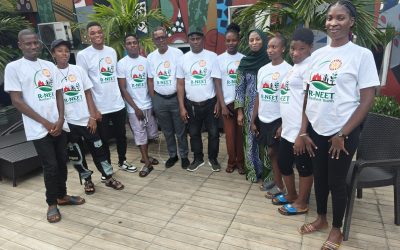
Reflections on laying the foundations for research in Nigeria
Leading the Nigerian team and working closely with the Youth Advisory Committee (YAC) has been a transformative experience. For too long, young people aged 18–24 have been denied a meaningful voice in Nigeria, particularly in the Niger Delta.
NEETs need strengths and supports to be mentally well
10 October marks World Mental Health Day. This year the focus was on mental health in the workplace.
But, what about the mental health of the many people who are not employed? Likewise, what about the mental health of those who not in employment, education or training (i.e., NEET)?
Across Africa, at least 1 in 5 young people is NEET. In Nigeria and South Africa, where we are conducting the R-NEET study, the numbers are even higher: at least 1 in 3 young people is NEET.