From Paper to Video: The Promise and Problems of AI-Generated Research Content

Feb 3, 2026

Following the publication of the systematic literature review we carried out last year, we wanted to create something that would make the findings more accessible in a cost-effective way. Tools like NotebookLM™ seemed like a promising option, allowing us to experiment with turning a dense academic paper into a short, engaging video without needing specialist production skills. And here is what NotebookLM™ was able to do for us.

As we worked through the process, however, we ran into a few challenges. One issue was oversimplification: the AI-generated summaries sometimes smoothed over important nuances, meaning we had to carefully check and edit the content to make sure the research was represented accurately. We also had to think about transparency and credit, particularly how to acknowledge the original work, the funder, and be clear about the role AI played in shaping the final output. Environmental considerations came up too. While creating a single video felt low-impact, we were conscious that AI tools still rely on energy-intensive systems, especially when used repeatedly. We weren’t able to find any research that compared the environmental cost of human-led video design to AI-led design.

We see this very much as part of our journey of understanding how we can make research accessible to a wider audience, and this experience showed us that AI tools can be genuinely useful for research communication, but only when combined with close human oversight and thoughtful reflection on their wider implications.


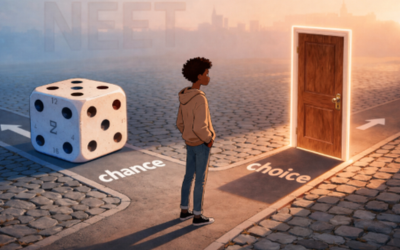
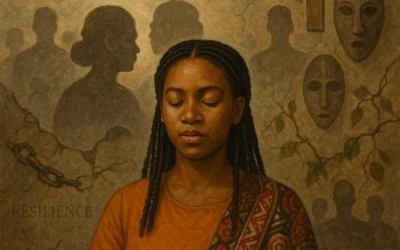
Being NEET in Different Economies, and the Impact on Mental Health

Michael Ungar, PhD All over the world, a generation of young adults are in the precarious situation of not being able to launch themselves into independence. In economically more precarious parts of the world there are simply far too many youth for the small number of...

Bongiwe Ncube shares the rationale behind her PhD project

Bongiwe Ncube shares the rationale behind her PhD project

Bongiwe Ncube is one of the R-NEET project’s Associate Doctoral Researchers, and here shares the rationale behind her PhD project. South Africa is often celebrated as one of Africa’s most progressive democracies. Our Constitution is robust, our laws are protective on...

Reflecting on the R-NEET baseline and next steps

Reflecting on the R-NEET baseline and next steps

Author: Linda Theron, PhD., University of Pretoria, South Africa There’s something urgent, hopeful, and deeply necessary about the R-NEET study. In a world where young people are facing increasing socio-economic instability, climate threats, and mental health burdens,...

R-NEET PhD project: Faith, Cultural Legacy, and Echoes of Silence

R-NEET PhD project: Faith, Cultural Legacy, and Echoes of Silence

R-NEET PhD project: Faith, Cultural Legacy, and Echoes of Silence: Multisystemic Resilience Among Young Women in the Face of Gender-Based Violence Across Generations in Gauteng, South Africa Alberta Ofosu, Doctoral Research Assistant, University of LeicesterMy...

Africa(n) proverbs, community and resilience

Africa(n) proverbs, community and resilience

Diane Levine, Zainab Mai-Bornu, Alberta Ofosu, Morenike Oyenubi (University of Leicester)Image generated with Canva AI: A bunch of palm nutsIn his lovely 2023 article on the ways in which we might be able to make the most of proverbial wisdom from indigenous Africa(n)...

My R-NEET blog

My R-NEET blog

Hi, my name is Kudzayi Badisi, and welcome to my R-NEET blog post, where I share my journey in creating an R-NEET video to help us recruit more participants to the project. As an unemployed young person and a Youth Advisory Committee member of R-NEET, I was given the...

What protects young adults against depression?

Prof Dov Stekel, University of Nottingham Depression among young adults (aged 18 to 29) is becoming more common around the world, especially during the challenging years of becoming independent, finding work, and navigating adult responsibilities. Our recent article,...

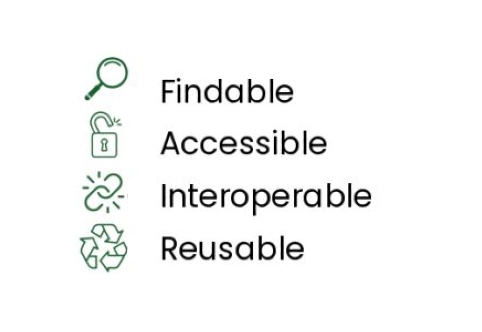
Making Data FAIR: How R-NEET Ensures Ethical and Open Research

Making Data FAIR: How R-NEET Ensures Ethical and Open Research

Prof Olafunmilayo Fawole, University of Ibadan, Co-Chair Data Safety and Monitoring Board. In the R-NEET project, we recognize the importance of handling, processing, and storing data responsibly. With a large, international, and interdisciplinary research team, we...

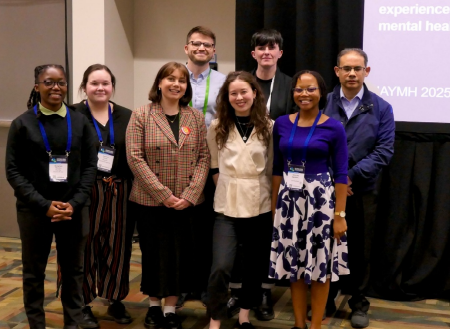
IAYMH2025 Conference, Vancouver

IAYMH2025 Conference, Vancouver

The International Association for Youth Mental Health (IAYMH2025) is a conference that brings people from all over the world together with a focus on turning the tide and creating a global blueprint for prevention and integrated care in Youth Mental Health. The...

Share This