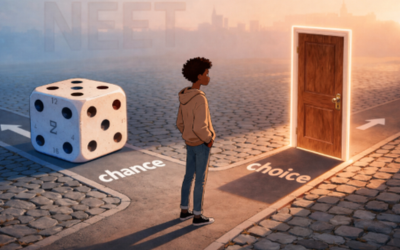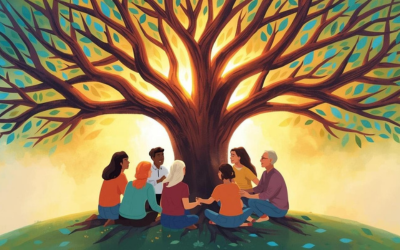
Drawings from Octopus Island, a forthcoming comic by Dr Osarenkhoe Ogbeide, New Africa Comics and University of Cambridge (permission granted)
Optimism can be a powerful predictor of wellbeing when we’re stressed. Whether that stress comes from unemployment or a family crisis (or both), maintaining a positive attitude towards the future and our ability to shape that future can protect us against loneliness and depression. Add into the mix a family network that supports us, and our ability to experience resilience increases.

Up to a point.
The problem with our fascination with optimism and the positive mindset that goes along with it is that if can only solve problems if we have the resources necessary to fix our lives and the opportunities surrounding us that reward our efforts. None of this is to speak against being more optimistic than pessimistic. It’s just that sometimes being realistic is what’s needed when we’re facing serious barriers to our success that come from harsh economic conditions, racism, or societies that are corrupt. To believe in our own individual ability to change our futures when the odds are stacked against us in so many ways is to fall into the trap of toxic positivity. By that I mean we endless pursue a goal that is unattainable, not because of our lack of motivation but because the systems that surround us are structured to prevent our success.
The optimist is still better than the pessimist but the advantage lessens the more the situation is stuck the way it is. Optimists tend to do better (especially after trauma) because they use emotion-focused strategies to cope. They change how they feel and think about their pasts. They are more willing to accept help and build the relationships they’ll need to create a better future. They see themselves as worthy of love. They tend to use problem-focused strategies to cope less often. These strategies typically focus on a past that cannot be changed and therefore create a sense of frustration. After all, one can’t change what has already happened but one can change how one perceives those events and what one does in the future.

That is the superhero power of the optimist, but even an optimist, like all superheroes, needs some help from others. They need the ‘weapons’ to fight. They need the opportunities to use their special gifts. They need a community willing to fight with them. And they need the recognition from others when they’ve been successful. In this back and forth between psychological optimism and practical changes to the world around us, there is a need for both if optimism is to take hold.

It's no surprise, then, that the R-NEET project is looking at so many different ‘systems’ at the same time. We are keen to understand how optimism and other psychological processes protect youth from the effects of adversities like unemployment and barriers to education. But we don’t want to become fixated on individual factors that predict success all on their own. To be optimistic is nice. To be optimistic and well-resourced with opportunities for success is much better than nice. It is remarkable!